Growing Up in Trengganu #790,227
In the afternoons came the smell of ripe bananas. There were varieties that came in with the boats, pisang bunga, putar, kelat siam, kelat abu. Little bite-sized bananas, sweet and creamy to the taste, the size of two fingers of a child — the lemak manis; and adult bananas ripped open piping hot and split along its length to reveal dark stain remnants of seeds of primeval years. These were the raja embong, or more likely the pisang bakaran pulled from the wood fire before their skin turned to charcoal, eaten as an anti-pyretic for the ailing child suffering from the ague.
Pök Su sat with his family under the spread of plastic sheet pulled taut by strings attached to four upright corner poles, but in the all embracing shade of the afternoon it was not the sun that they were sheltering from but the possibility of a sudden downpour, rain, as they used to say, hambak orang tua, that sent old folk scurrying for cover.
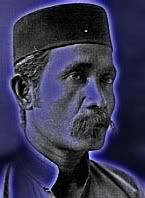
Pök Su's head was wrapped in a head coil, of cloth that had mopped the sweat from his brow on many a bazaar day, that Mother would describe as something potent as would poison all the fish had it fallen into the water. The lady Pök Su was there too: we never knew the respectful form of address for her, but she must've been a Mök Jöh from the way she sat there with an eye for the Musa. She pulled over-ripe fingers from banana hands and threw them into the cut-price bin for jjeput makers. Some members of the family were also there, this throng of the Su household, a daughter and a couple of brothers, under a short curtain of banana 'combs' as we called them, arranged in one long, yellow, fingery row on a bar laid horizontal: from the top of one corner pole to the front other. For effect he'd hang a full bunch in one corner, and one more for balance on the opposite number. These were mostly green bananas, unready for the plucking, and roasting till well past midnight in the fume and fire of his kerosene powered pelita.
There were other banana vendors too further up the road that stretched its dusty way to the pantai but Pök Su and his tribe were the only ones who stayed there well past the midday hour to join the market in life again when the cake makers and the mee friers and rice sellers came out once the dusk azan call had faded into the ether. Pök Su was a glum man, thin as he was tall, who watched the world with rheumy eyes from over the bunches and combs laid out on the floor, yellowing fingers curving and pointing accusingly at passers by.
The main market was a vast fenced-in space that was locked in — salted fish, fruit and vegetables — at the end of morning market hours after midday, and traders who had energy left from the heat and haggling of the morning moved on to the other end of town in Kedai Payang for the rest of the pasar day. One day while looking out from our front window I saw a man slip in through a dip in the ground below the chain-link fencing to run free into the deserted inner sanctums of Tanjong Pasar. I rushed to the other side of the fencing to warn Pök Su that someone was in the market innards about to finger his precious bananas, a signal that he and his family took with alacrity and they were soon pinning the hapless offender to the market floor. Pök Su gave me not a sausage for my trouble, not a bag of bruised bananas.
Sometimes when we yearned for a touch of the jjeput of ripe bananas mixed in with flour and sugar it was not to Pök Su & Co. that we went to but to a lady named Mök Song whom we found to be a more amenable banana vendor. Jjeputs were in the ripe end of the banana food chain and probably got its name from the fingering act of shaping the dough into little balls before they were dropped into sizzling coconut oil. Sometimes bananas were fried in the raw in cooking oil and eaten dipped in sugar on the veranda, but to us kids, bananas dipped in batter before the frying tasted crispier and even better. Unlike other cultures where bananas are often associated with the unhinged and looked upon with so much glee, the banana does go bad or sad, but never mad, in our community. The humble fruit was often the saver of our day, as on the first night of bereavement, when folk from the neighbourhood appeared on the doorstep to join the grieving family in prayer. This was the ratib that went on for seven successive nights, but for the preliminary night, catering went by this rule of thumb for all: Malang yang mula-mula, goreng pisang dengang gula.
This was a handy saying that also put one in punningspeak for the mood nocturnal or sombre, as 'malang' is both 'misfortune' and 'night' in Trengganuspeak. So, it's “fried bananas and sugar for the first night”, or “on the first night of misfortune, its fried bananas dipped in sugar for one and all”.
Labels: banana, Jjeput, Pasar Tanjong, pisang, Pok Su, ratib
posted by Awang Goneng @ 2:00 pm
7 Comments