Kecek-Kecek

On Trengganuspeak and the Spirit of Trengganu

Sunday, March 30, 2008

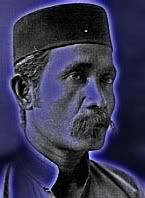
Brave New World

On Seeing That Terengganu Has A New MB
[For starters, go here: Video]

Bila mung bbalöh denge orang Pah ddalang Dèwang
Mung napök betol macang anök Teganung hanelang,
Bèkèng denge mmusang, mung dok ddiri ccacang
Yang di Pertua dök kata apa, gamök oh dia hèrang
Orang Pah bila tèngok mmata mung dok cerlöng
Basöh jjerok seluör dalang, rasa macang nök nnölöng
Mung kata dia peranga macang sètang, pé’é nnatang
Géng-géng mung pong tepok meja ddegung ddegang
Sokong mung anok Teganung betollah anök jatang
Bila aku tengok tu aku teringak masa sekölöh
Lepah nngaji petang-petang masok rök ajök ggöcöh
Aku suka mung hidop balik warisang kita hök lama
Orang le ning dök panda döh nök wak ggitu serema.
Mung kata dia paka sökök tapi peranga macang Sètang
Mung kata dia kata je gèntelmèng tapi dia dök setarang
Lepah tu mung ajök orang Pah ggöcöh lluör Dèwang
Aku pong tepok tangang tèngok mung anök jatang
Tapi filem habih derah ddö'öh, dök sapa penghabisang.
Gamök öh mung gi cari rumöh dia di Wakah Ppelang
Gi tago denge batu, kalu dia ada pong döh kena tang,
Orang apa macang ggining, ajök ggöcöh tak mboh setarang
Dia gi nnusuk derumöh Haji Hadi di cerök bandör Marang.
Ggitulah hök kita nök sangak di Teganu kita jamang le ning
Kita hidopkang tabèak lama, dök payöh tertib terning
Ggömö gguling bating, ddegung degang bbira dinding
Naik semangak tèngök mung lèk-lèk macang pahlawang
Kalulah dulu mung yang kita hantör gi ke negeri Pahang
Tentu Teganu menang, Tong Teja jadi bining Panji Alang:
Tapi döh nök wak guana nök kata setarang!

Pah tu bila negeri Teganung bising bbangör takdök menteri
Kami pong rama-rama beratang tengök laporang hök di TV
Aku kkejuk tèngök mung paka sökök, surak watikah pong diberi
Yay, mölèk döh mung pulök jadi orang besör ddalang nègeri
Bila bbahah di Dèwang habih lah orang Pah tembör lari
Sebab mung bèkèng, gèntelmèng, paka sökök pulök le ni.

Further Reading:
Adab al-Mufrad, esp. XV & DV

Labels: , , ,

Friday, February 16, 2007

Self and Others

Among Father’s friends in the vicinity of the Masjid Abidin was one called Che Ali Orang. He was “Orang”, as I later discovered, because of his disconcerting speech habit that knocked you off your presumed place, requiring you — the listener — to re-orientate. He would say, for instance, “Orang gi ppasör sebetör takdi,” to mean “I made a short visit to the market earlier”. He was, like many speakers of Trengganuspeak (and of many other ‘speaks’ too in the wider Malay world) reluctant to throw in the directly personal pronoun (aku, saya) into his conversation, but he replaced it with one that was totally unexpected.

Orang kata döh takdi!” a mother would say when a careless child trips over while running around the house. What’s fascinating about this remark is that orang (person, people) is used as a personal pronoun for emphasis in this instance, but it was Che Ali’s insistence on taking it to an even wider embrace that earned him the amusing sobriquet.

Malays generally avoid identifying the self so overtly as in the “I” of Indo-European languages, and are even more reluctant to address directly the ‘self’ of another person to whom he is speaking. Saya or more familiarly aku are of course used and understood in everyday speech, but Trengganuspeakers sometimes hide behind the collective pronoun kita (we) or ambe (from standardspeak hamba, servant), or he would even refer to himself by name rather than use the pronoun “I”. “Mbong nak gi dah,” is said by Embong of himself: “I’m going now.” Likewise, a person speaking to Cik (Mr or Miss in Trengganuspeak) Embong would ask him, “Cik Mbong makang döh?” (“Have you [Mbong] eaten?”) More confusingly, he/she may ask, “Kita sapa bila?” (“When did we [i.e. ‘you’] arrive?”). “Nök gi döh kita?” asks a lady at the well of a child in school uniform, laden with a book-filled rucksack. Are we going [to school] now?

Many years ago, a bored American insurance company executive named Benjamin Lee Whorf took up linguistics as a hobby and discovered that language shapes society. Society, it can also be said, shapes language — how a person thinks is reflected in how he speaks. If you ask a Trengganu person “What fruit is that?”, unmindful of Aristotle’s A is A, he/she will reply, “Hök tu orang panggil buöh ppisang, kang?” Now is that an answer or a question? Or does it show an inner sense of modesty that makes this world look like a pretty uncertain place? Haven’t I seen that before in some philosophical works? This shyness about what Stuart Chase* calls ‘the law of identity’ (Aristotle’s A is A) is also found among the Wintu Indians of North America. “We say ‘This is bread’ but in Wintu they say, ‘we call this bread’,” says Chase. Again, ask a Trengganuspeaker what is that? and he/she will reply: “Tu lah kita panggil ggenang.” That’s what we call ggenang. Ask another for directions, and the reply will most probably be, “Kot tu lah kot!” That’s probably the way.

But in one situation a Trengganuspeaker is certain about what he/she is looking for or thinking about. I’ve heard this said many times: “Höh aku dok mmikir pasa nnatang apa takdi?” [about some lost chain of thought], or “Mana dia nnatang tu Mek?” [about some lost things]. And here the lost physical object or abstract thought is referred to simply as nnatang, the beast. And that brings me to my all time favourite: "Kita lupa dök setarang nök bawök nnatang tu!" or its richer, fuller version: "Kita lupa dök setarang nök bawök nnatang tu, döh nök wak guane setabok!"**

------------
*Stuart Chase, Power of Words, Harcourt, Brace & World, Inc., NY; 1954

** "Drats, I forgot to bring that darn thing, can you believe that!"

Labels: , , , , ,