Early Drums, Holy Month
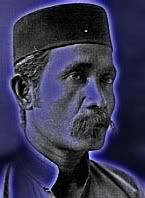
Ayöh Löh walked the short distance from his house, through the dim yellow light of the street lamp, round the corner fencing of our house and into the dirt lane that took him to the surau in this dark hour.
He took the the beater and beat the drum, and all at once the sound of clattering plates and the tinkling cups died and the spoons stopped stirring the tèh oh.
It was near the end of the night, but not yet the appointed time, but Ayöh Löh had supped and smoked and belched quite a few times and he was beating the first geduk sounds for the day.
We were sitting around our dining table then, fighting our sleepy eyes and forcing down the food of sahur. Sahur was breakfast time for the Ramadan months, the last meal before the fast that started with the dawn prayer. But this time the beat of the geduk made everyone stop and Pök Wè jumped down the stairs of his elevated house that was just by the surau.
Pök Wè was an amiable man as Ayöh Löh was a character, and in the ensuing exchanges that we heard coming amid cackles of laughter near the stairs - that of the surau and that of Pök Wè's house - Ayöh Löh had this to say: "Ingak ke döh suboh döh!"*
When I looked down from the window of our house that looked down to the surau I saw Ayöh Löh standing there scratching his bare back, and then he scratched his head underneath the semutar.
Prayer times were greeted by rolls of drums in our Tanjong, beaten out of the geduk of every surau. The geduk is the beduk in standardspeak, and it gives a deep mellow sound through the length of its body of hollowed out trunk that has a stretched out buffalo hide on the side of the beater. These drums are found in prayer houses throughout the peninsula and in East Malaysia too, and their beats are heard even in faraway Indonesia. It is the sound of the prayer call of the Nusantara, before the muezzin stands up to make his human call.
In Kuala Trengganu we had three sounds in bulan puasa, the prayer month. There was the sound of the geduk and then there was the clanging of the big bell - the genta - on the hill that were bracketed by the rumble of the cannon of Bukit Besar.
Puasa was a happy month and a dry one when most coffee shops were closed but those that did not shut their doors had curtains to hide the wayward people. There were gunny sacks unfurled by the roadside in front of Bhiku's cafe when the hands moved closer to four o'clock, when children trying to earn Raya money sold blocks of ice for fifteen cents to cool our sirap during bbuka. There was cendol, coloured green like the snot, and beleda kacang, off-white and quite pointless for its lack of taste, to the child.
Ramadan is for the children too even if it's adult country. We made cannons from hefty bamboo in Ramadan and delighted from their carbide fire, we fasted half the day - some of us - though in our house we fasted the day through. Mother cooked dishes and baked cakes that were not seen on ordinary days, nèkbak and the akök cooked in thick brass moulds and the chicken-centred buöh ulu, and the sirap water so blood-red and bubbling in a big cauldron to last this whole month, the scent of pandan and the sweetness of white sugar in the air.
There were new clothes to be ordered from the tailor - our bajus were made by Ku Su in the grounds of the istana, and new shoes most certainly from Bata. Oil lamps with wicks of jute strings in bodies of milk cans, and lanterns and sparklers to brighten up the night hour.
But that's towards the end of the fasting month; now it's time to tighten the belt and abstain ourselves in the daylight hours.
Marhaban ya Ramadan kareem, marhaban ya shahrun nuur!
---------------------------------
*"I thought it's time for the dawn prayer!"
posted by Awang Goneng @ 4:18 pm
24 Comments