Second Person Accusative
A day shadowed by grey foreboding, baying dogs and cats hunched in electric shocks of fur, mewling at some ghostly presence in the air. A storm cloud over the head, with the cerlöng of the mother's eye piercing the skin and soul of the wrongdoer.
Cerlöng is an old Trengganuspeak word, old in the sense that it was learnt as soon as one moved past the stage of toddlerhood and was just becoming conscious of this adult world. It was a look transmitted behind the backs of perfect strangers, between polite words in gracious company, in waiting rooms, or in conditions where unseemly words could only be expressed in blankets of pretend harmony from an elder to a child: No, you've had one piece of cake too many already! No, they're not amused by your antics even if they pretend to be tickled silly! No, you stop it now or...
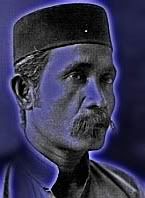
Mung ning is the sequel to all that, the cerlöng Mk II. This is the “hey-you” accusative of the adult world, applied to the person probably who's well past his or her twenty-first birthday (perhaps earlier if you're the type to sprout bristles before Gillette's call if you're a boy; if you're a girl and are somewhat similarly hirsute in your upper lip, then you probably have Greek ancestors). Some may tone it down a little by using the gentler mu, not mung, but it's balance that gives Trengganuspeak its quality, so mung and ning go hand-in-hand like Freemasons and their trowel. Then comes mung ning gök which could be the hat, not thrown into the ring, but cast from a distance, to the hook on your wall. And it's the sound of gök that turns the pointing finger into just a friendly tickle. If the act continues, and the taunted child starts to holler, maybe it's time for another friendly fire, ”Mung ning gök èh!” spoken with prolonged terminals, with upwardly lilting gööök that's dropped with the exhaled èh! But the real mung ning! is enough to send the shivers, especially if issued from adult lips, and the more potent is he if his moustache is a handlebar, and his semutar's weather-worn, and he's trembling and fidgeting in the digitals.
“Mung ning...aku döh kata döh tu!” The last five words — with two past tense indicators (döh) for effect — simply mean “I've told you so”. But the mung ning phrase adds the indictment of the Grand Jury: Yes, you, I mean YOU! Do not, unless you're standing by the exit door, add anything more to the discourse; just be like dad and keep mum for a while.
“Mung ning ddö'öh lalu!” “Mung ning dök jjuruh haröh!” “Mung ning dök patok ddö'öh!” are different expressions of the same misdemeanour, for which, if you're caught in the act or in flagrante delicto as some would say, you'd be wise to tembör celubu to an area with no extradition treaty.
Make a dash for it, as they say...now!
Labels: Mung ning
posted by Awang Goneng @ 2:50 pm
5 Comments